
Big oil, big liability
Oil companies are currently battling a wave of litigation that seeks to hold them accountable for the effects of climate change and discrediting climate change science, with cases underway in New York, California, Rhode Island, Colorado, Maryland and Washington State. The US climate litigants claim millions of dollars have been spent by oil companies to…


Methane matters
Long-lived and short-lived greenhouse gases have been the subject of debate in New Zealand for some time. Understanding how they contribute to climate change is particularly important now the Government is considering a new emissions target for 2050. There are three options on the table: Net zero carbon dioxide Net zero long-lived gases and stabilised…

Net Zero
New Zealand must map out a path to carbon neutrality by 2050 as our challenges are harbingers for the rest of the world. We already have a 85% renewable power mix, but we must figure out how to close this gap. Transport is responsible for most of New Zealand’s carbon dioxide emissions and 20% of…

Gas goes global
Unlike the highly liquid global oil market, natural gas has always been traded regionally. Asia, Europe and North America represent three different gas markets with their own unique dynamics. Regional gas markets Asia is very reliant on LNG (liquefied natural gas) imports. Natural gas demand significantly outstrips low levels of domestic production. Prices spiked after the…

Green energy for developing nations
Paradoxically, those nations which are most vulnerable to climate change’s ill effects also require significant energy investment. Yet, emerging economies such as China’s and India’s cannot grow whilst still relying on coal-fired electricity and oil for transport. The consequences for the planet and human lives would be catastrophic. It’s clear that developing countries must leapfrog current technologies…
New Zealand’s contribution
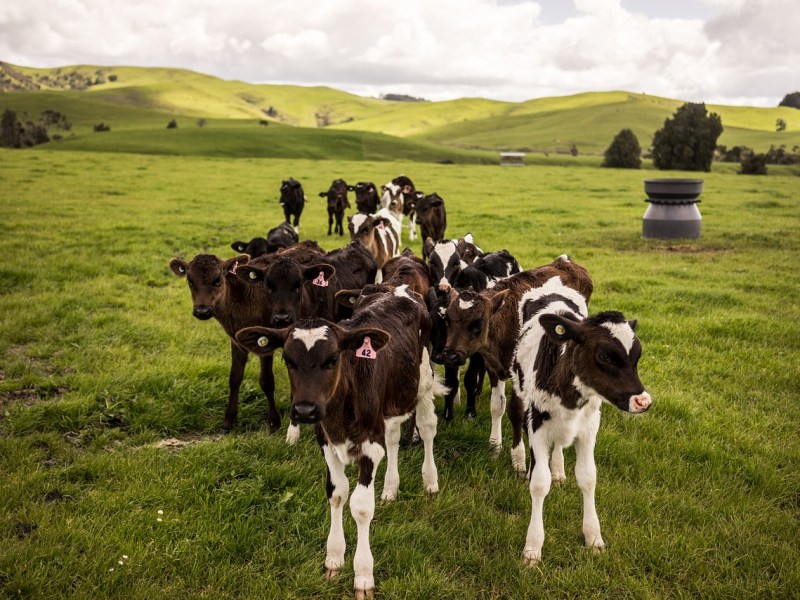
Last year at the 21st United Nations Conference of Parties (COP21) in Paris, 195 countries negotiated a global agreement to address climate change. The agreement does not stipulate specific emissions reduction targets, unlike its predecessor, the expired Kyoto Protocol. Instead each negotiating party was asked to voluntarily submit their Intended Nationally Determined Contributions (INDC) for…

100% renewables
Two or three years ago European think tanks were asking if an electricity mix with a 50%, 60% or even 90% share of renewables was workable. What is threshold above which the electricity grids of Europe would no longer be able to absorb intermittent renewable energies? Electricity grids have strict ramping constraints, which means the…
Coal condemned
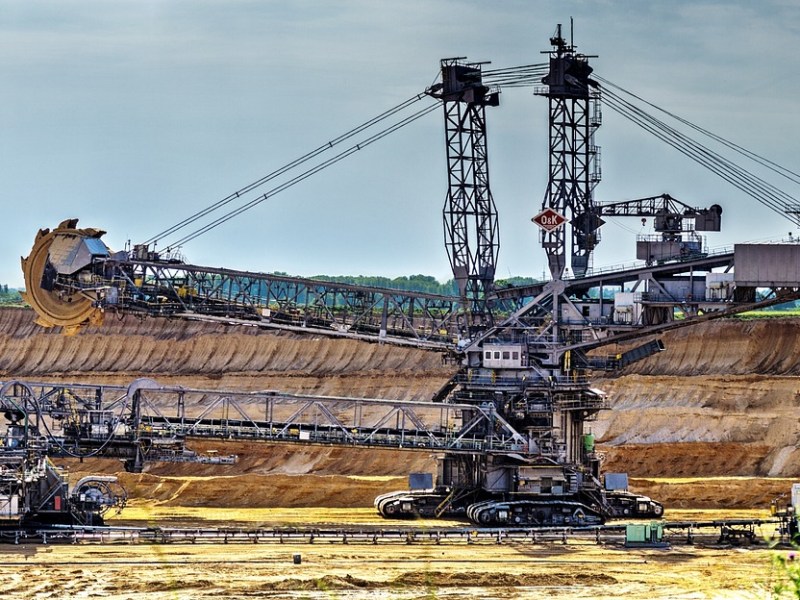
During the last decade, the majority of the OECD countries decoupled their economic growth from energy consumption. Normally these rise in tandem – a trend that persists in developing countries and world’s soon-to-be fastest growing and most populous nation, India. This decoupling happened as developed nations shifted to providing services and building knowledge economies, which is less…

COP21 à Paris : les acteurs prennent leur place
Le 30 novembre, des représentants des nations du monde arriveront à Paris avec l’intention d’établir un accord global pour lutter contre le changement climatique. À Copenhague en 2009, le manque d’inputs des participants avant la conférence avait freiné les efforts des négociateurs danois et la COP15 s’était terminé sans accord. Cette fois-ci, les coordinateurs français…
La question nucléaire: à la recherche d’une énergie parfaite
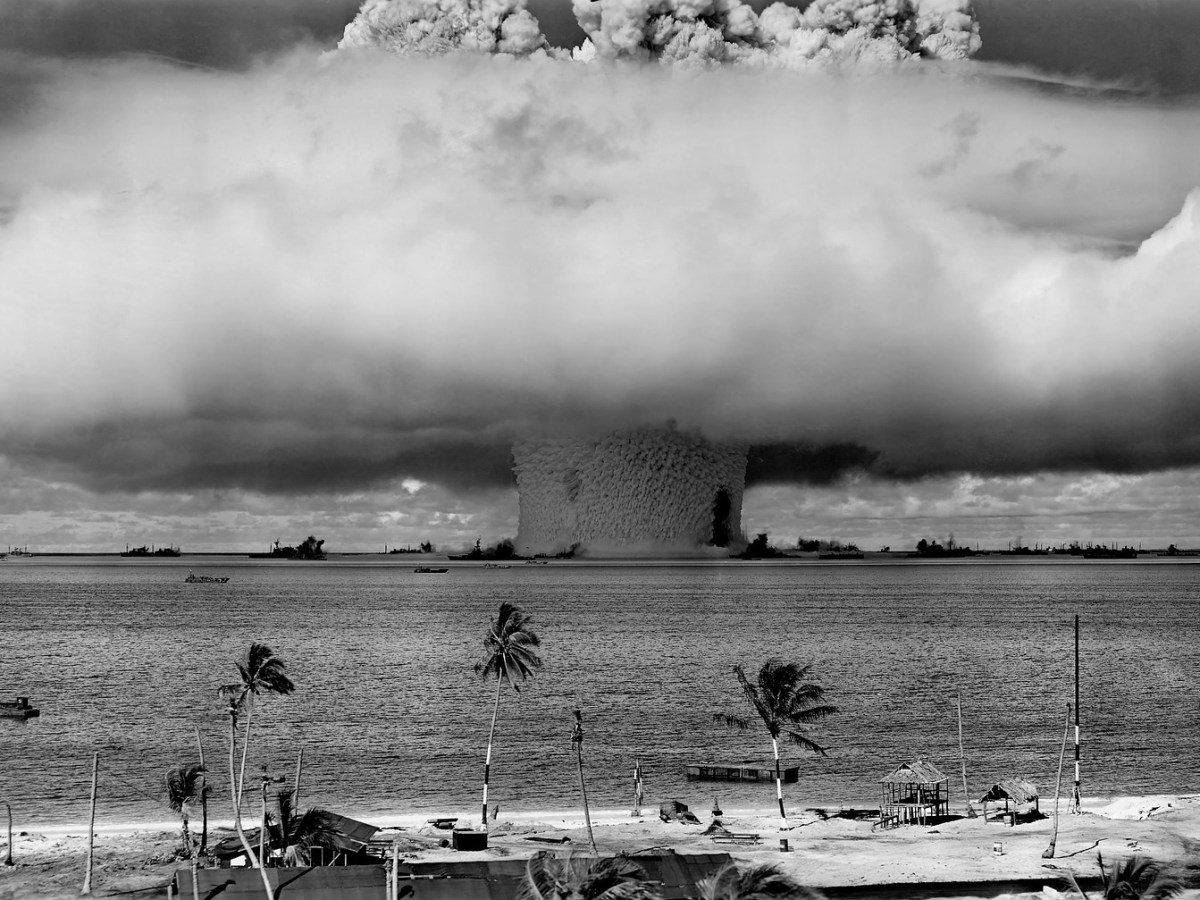
En 1985, deux agents français ont sabordé le navire Rainbow Warrior de l’organisation écologiste Greenpeace dans le port d’Auckland en Nouvelle Zélande. Cette opération, effectuée dans la mer territoriale néo-zélandaise, a été conduite sur ordre explicite du Président de la République Française, François Mitterrand. Le Rainbow Warrior faisait alors cap vers l’atoll de Moruroa, situé…

The New Zealand test
When machines permitting payment by credit or debit card were first developed New Zealand was one of the first countries within which this EFTPOS technology was deployed. Today one can buy a coffee or even a 50c bag of sweets with their VISA or Mastercard. Most businesses do not have a minimum purchase for which…
Market distortions favour fossil fuels
Fossil fuel subsidies cost governments 550 billion dollars annually according to the International Energy Agency (IEA), an independent, Paris-based think tank. The International Monetary Fund (IMF) believes the cost of these subsidies is even higher, comprising 6.5 percent of global GDP. Oil subsidies for consumers Subsidies take on many forms. In Saudi Arabia, Nigeria and Venezuela – big oil…

Climate vs. Weather
Climate change is underway. The mainstream now accepts that human behaviour and industrialisation contributed to increasing the amount of greenhouse gases present in the atmosphere over the last century. Yet, it remains difficult to link specific weather events to climate change. Climate is not the same as the weather. Weather is a local phenomenon. Also,…

Future electricity grids: the rise of the prosumer
Unlike other commodities such as gas and oil, electricity cannot be easily stored. It must be consumed almost as soon as it is produced. Consumer demand follows a fairly predictable pattern. Electricity prices are higher on weekdays when “peaking” power plants come online to satisfy increased demand. The first demand peak occurs in the morning – when a high proportion…

Low-hanging fruit
Energy efficiency means more energy for the same amount of fuel. This means both energy bills and pollution from burning fossil fuels decrease, pleasing both governments and environmental activists. There are three key sectors within which efficiency gains can have a significant impact in both the developed and developing world: transportation, buildings and electricity. Simply replacing old cars…
Renewables menace traditional power model
Lots of things are shaking up the traditional power model. A decade ago gas and coal power plants were very profitable. Retail companies, which distribute to industrial and household consumers, bought wholesale electricity at a price that always covered operating costs and got a healthy boost during peak demand hours. Even fairly inefficient power plants could…

Electricity prices & the solar eclipse
Electricity cannot be stored. When the sun hits a solar panel, or coal is burnt to turn a turbine and generate an electrical current, this energy is delivered to the distribution grid straight away. Spot markets are where wholesale electricity producers and consumers go to balance their planned against their actual electricity needs. Those needs become clearer the…

Oil trading 101
For those of us who never studied finance or economics, terms such as hedging, futures and long position are very mysterious. Let’s look at a basic oil trading strategy: selling the futures spread, to understand some of these terms.[i] First of all, what is a futures contract? If I sell a contract, to deliver 1000 barrels of oil in December…

Canada’s tar sands: unburnable carbon
Canada’s tar sands contain some of the biggest proven oil reserves in the world. They are mainly found in Alberta. But mining these tar sands, to produce ‘synthetic’ crude oil, is expensive. The process also releases more greenhouse gases than conventional oil production does. If we are serious about arresting climate change then these reserves…

What the frack?
The US shale revolution is a hot topic these days. It’s one reason America recovered faster than Europe following the 2008 global financial crisis. But what is shale gas and shale oil? And what’s all the controversy about? Fracking 101 Hydraulic fracturing, abbreviated to “fracking,” technology is not new. It’s been around since at least the 1920s. It simply…

Oil prices not too low for Saudi Arabia
My last post explained why international oil prices have fallen dramatically during the last six months. This has harmed the profitability of many oil producers. International oil traders and producing companies have called on the Organisation of Petroleum Exporting Countries (OPEC) to react to the fall in oil prices. Saudi Arabia is the biggest producing…

Why is oil suddenly so cheap?
Between 1998 and 2008 the price of oil increased ten-fold. Everyone was talking about peak oil – the idea that production would plateau and demand for oil would outstrip supply. Skyrocketing prices would force us to replace what we put in our cars. In 2008 prices broke the $100/barrel ceiling – and then kept climbing. What does it mean…
Welcome
The perfect energy source – that is cheap, safe, abundant, reliable, environmentally friendly and producible on any scale – doesn’t exist.[i] When it comes to energy, we can’t avoid making judgment calls. Energy is policy. It is a choice. Do we want the most stable, reliable electricity production possible? A government-sponsored nuclear industry, like France’s,…
 briony bennett